Rusting Union Carbide Factory in Bhopal by Environmental Humanities Hub

Rama Lakshmi , Indian

Rusting Union Carbide Factory in Bhopal, 2012

This is a photograph of the rusting remains of the Union Carbide Factory in Bhopal. This image quite literally renders present a small fraction of the lingering effects of the world’s worst industrial disaster. The fact that this structure remains ever present in the lives of those who live in Bhopal serves as a visual reminder of that which transpired in 1984 and still continues to impact the citizens of the area today. The erosion occurring to the structure itself works as a sort of counter monument in that it is simultaneously caught between its own demise while simultaneously commemorating Union Carbide’s negligence. Label by Jay Jolles

Burnt Pencil Pines, Lake Mackenzie (Tasmania) by Environmental Humanities Hub

Rob Blakers, Australian

Burnt Pencil Pines, Lake Mackenzie (Tasmania), 2016

This photograph was taken by Rob Blakers in coordination with Greenpeace. This photo displays a single tree left standing on the island of Tasmania. Dry lightning strikes have caused fires to destroy this World-Heritage listed forest. This can be seen as an example of slow violence - showcasing the slow, but devastating impacts of deforestation in rather remote parts of the world. In hand, the destruction of these lands directly affects natives therefore causing issues of environmental justice in that it is taking away people’s way of survival. The way in which there is only a small part of the tree left can be seen as a metaphor for how little of wildlife and nature we have left to preserve. While the Earth in its most purest form would be a full, lush, thriving tree - this image displays what little portion of the Earth society has left to preserve. Label by Callie Sties

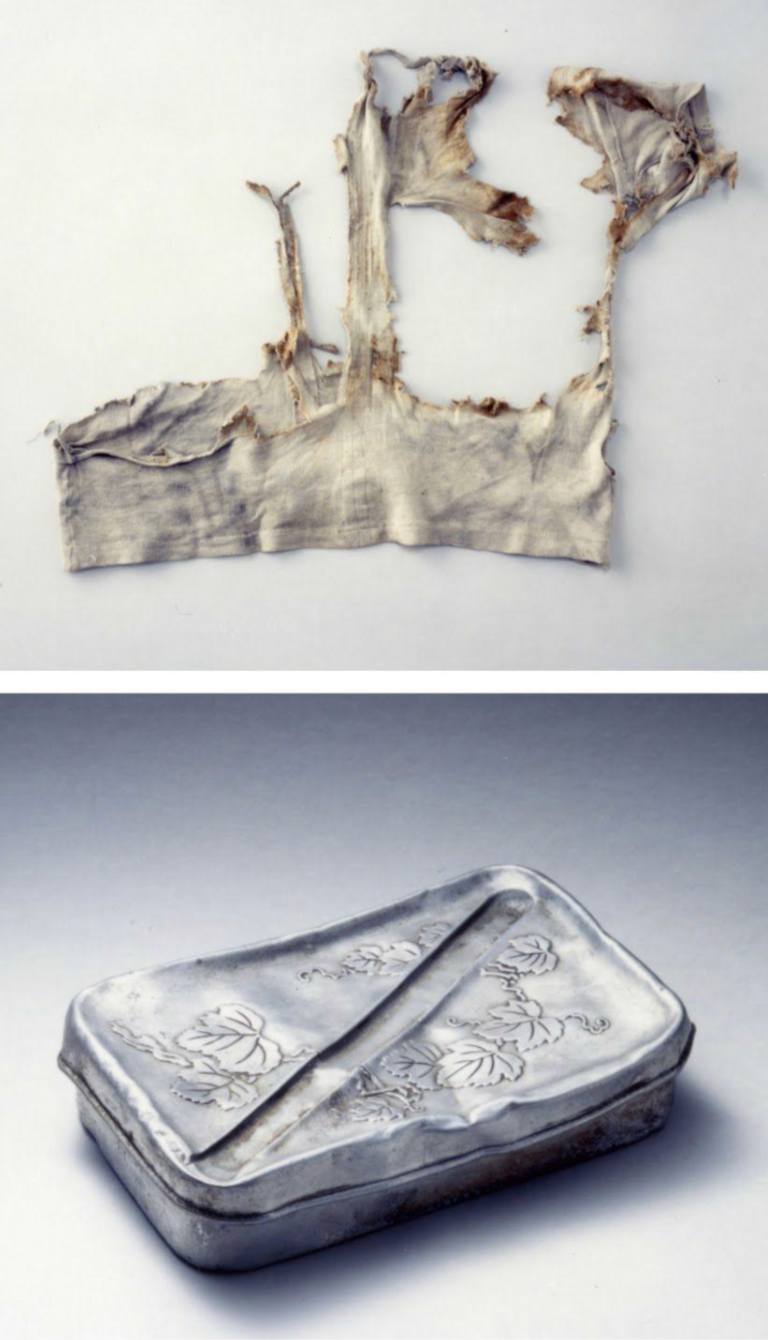
Shirt and Lunchbox by Environmental Humanities Hub

Shirt and Lunchbox

These images depict the shirt and lunch box of a 13 year old boy named Yushiro Mutsuoka who died after the atomic bombing in Hiroshima. The shirt, as well as Yushiro’s skin was left dangling off of his body as a result of the bomb, and he walked home where his family met him and fled to the riverside. He died there the next day. His lunchbox, with his name inscribed, was found shortly thereafter. These artifacts stand as reminders of the human cost of warfare. While many argue that the bomb was a necessary evil to avoid further, long term destruction as a result of WWII, it is important to remember the human, child lives that are being debated during this political decision making. Artifacts from warfare serve to remind the viewer that there is far more than politics on the line during warfare. Estimates for lives lost due to the bombing of Hiroshima are as high as 200,000, and preservation of these objects humanize these numbers in ways the viewer cannot ignore when encountering them. Label by Gwyneth McCrae

The Statue of Mother and Child by Environmental Humanities Hub

Ruth Waterman, Dutch

The Statue of Mother and Child, 1985

Ruth Waterman, a survivor of the Holocaust, created this statue as a memorial for the individuals who were affected by the disastrous chemical leak at the Union Carbide pesticide factory in Bhopal. This sculpture was created with input from the survivors and is often referred to as the “people’s memorial” for this reason. The memorial depicts a wailing woman holding her infant child. The depiction of a mother and her child as the symbol for this tragedy humanizes the immense number of lives lost, showing the impacts this catastrophe had on individual families. It could also be said to suggest the multigenerational effects of environmental disasters, particularly those linked to industrial materials that contaminate the surrounding land. Label by Grace Moser