Ashland Belle Helene Plantation, Acquired by Shell Chemical by Environmental Humanities Hub

Richard Misrach, American, born 1949

Ashland Belle Helene Plantation, Acquired by Shell Chemical, 1998

This photograph is part of a larger body of work that Misrach created for the High Museum of Art in Atlanta’s “Picturing the South” series. Misrach decided to focus on Cancer Alley, a stretch of land in Louisiana where industrial plants are devastating the health of the communities they surround. This particular photograph is striking because it depicts a large white plantation mansion, a symbol heavily associated with the South. The fact that it was taken over by Shell Corporation serves as a symbol of the continued oppression and abuse of Black people in the name of capitalism. This series serves as a method of communication: in Misrach’s own words, “It’s hard for art to really solve problems but I’ve come to believe that art is a really important way of communicating, not only with current generations, but with future generations.” Label by Laura Reitze

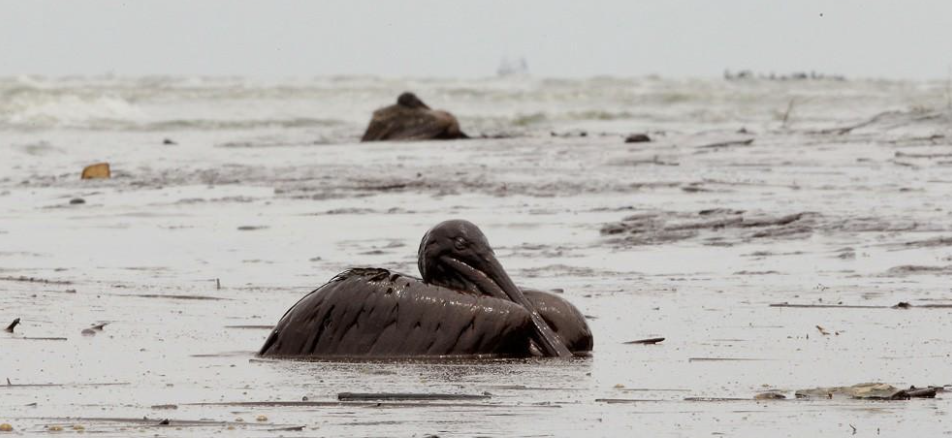
Bird Mired in Oil on the Beach, East Grand Terre Island, Louisiana, June 3, 2010 by Environmental Humanities Hub

Charlie Riedel, American

Bird Mired in Oil on the Beach, East Grand Terre Island, Louisiana, June 3, 2010, 2010

In this canonical photo from Charlie Riedel’s Deepwater Horizon photo essay, a bird’s attempt to rise, or to simply move at all, is juxtaposed by the weight of a thick coating of oil residue. In fact, the bird is so obscured that it takes the form of a different animal or a new type of alien creature altogether. This reflects the relative silence animals have in the debate over whether or not humans have a right to use their habitats for harmful resource production. The way Riedel has captured his image emphasizes the abrupt recognition of harm done to something we cannot readily see, but are vaguely aware of. Fossil fuels burn quickly, but the effects of their extraction accrue lasting damages. Label by Kristin Rheins

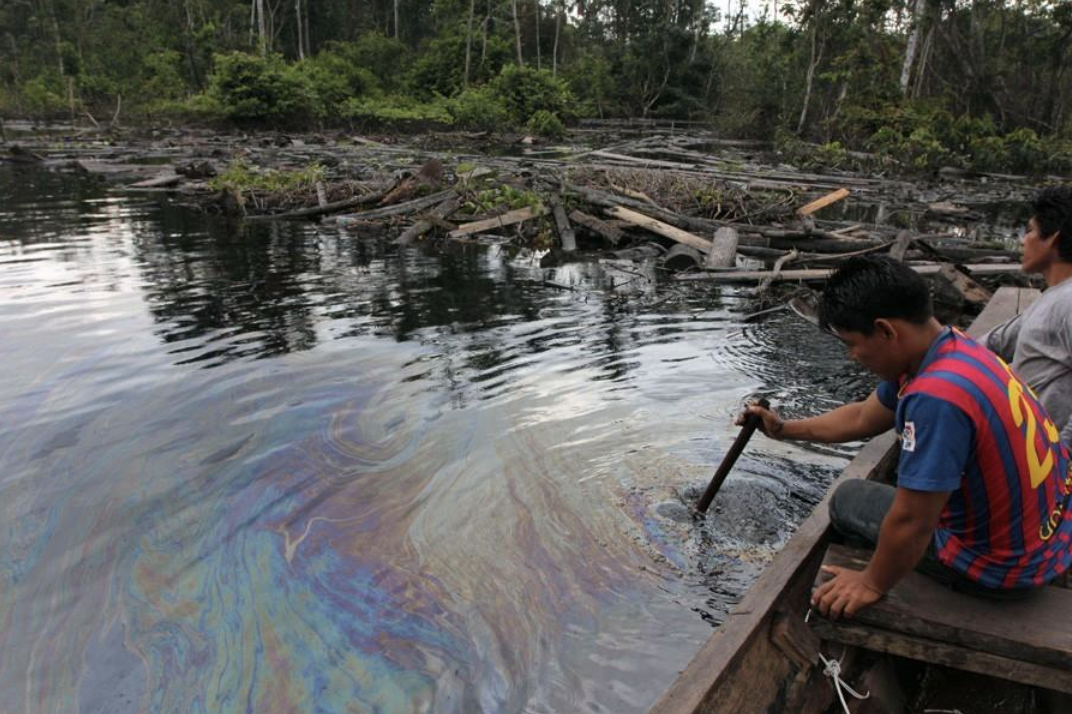
Untitled by Environmental Humanities Hub

Barbara Fraser

Untitled, 2016

This photograph depicts a young boy swirling a stick in a canal contaminated with oil, surrounded by dead tree branches following a large oil spill near the northern Peruvian Amazon in 2014. In the Amazon, large lakes like the one shown are typically the largest source of food and water for Indigenous peoples. Now contaminated with oil, they are forced to travel extensively just to find a cleaner source of food and water, likely placing continual stress on them until either the oil is removed, or they relocate to a cleaner environment. The dead tree branches are likely a result of the oil overflowing onto the soil, slowly killing the nearby vegetation. Both boys in the photograph appear pensive, possibly considering their options for how to survive in or evacuate a dying environment. Label by Sebastian Rios-Melean

Untitled by Environmental Humanities Hub

Charlie Riedel, American, born 1961

Untitled, 2010

The oily evidence of the BP Deepwater Horizon spill of April 2010 began to appear on Louisiana’s shores some weeks after the rig’s initial explosion. On June 3rd, Charlie Riedel took a few of the earliest and most iconic photographs of the spill’s effects on wildlife. A pair of pelicans sit like stones on the beach, almost unrecognizable with their thorough coating of oil; their bodies are weighed down to the extent that they are unable to rise. In the six weeks between the start of the spill and Riedel’s photographs, interest in the disaster had waned. The plight of these seabirds made clear the intensity of the damage and brought animal welfare to the forefront of the nation’s attention. Label by Sarah Roberts