Police Arrest 10 People as Mountain Valley Pipeline Protests Top 932 Days, ca. 2021 by Environmental Humanities Hub

Lynn Englum, American

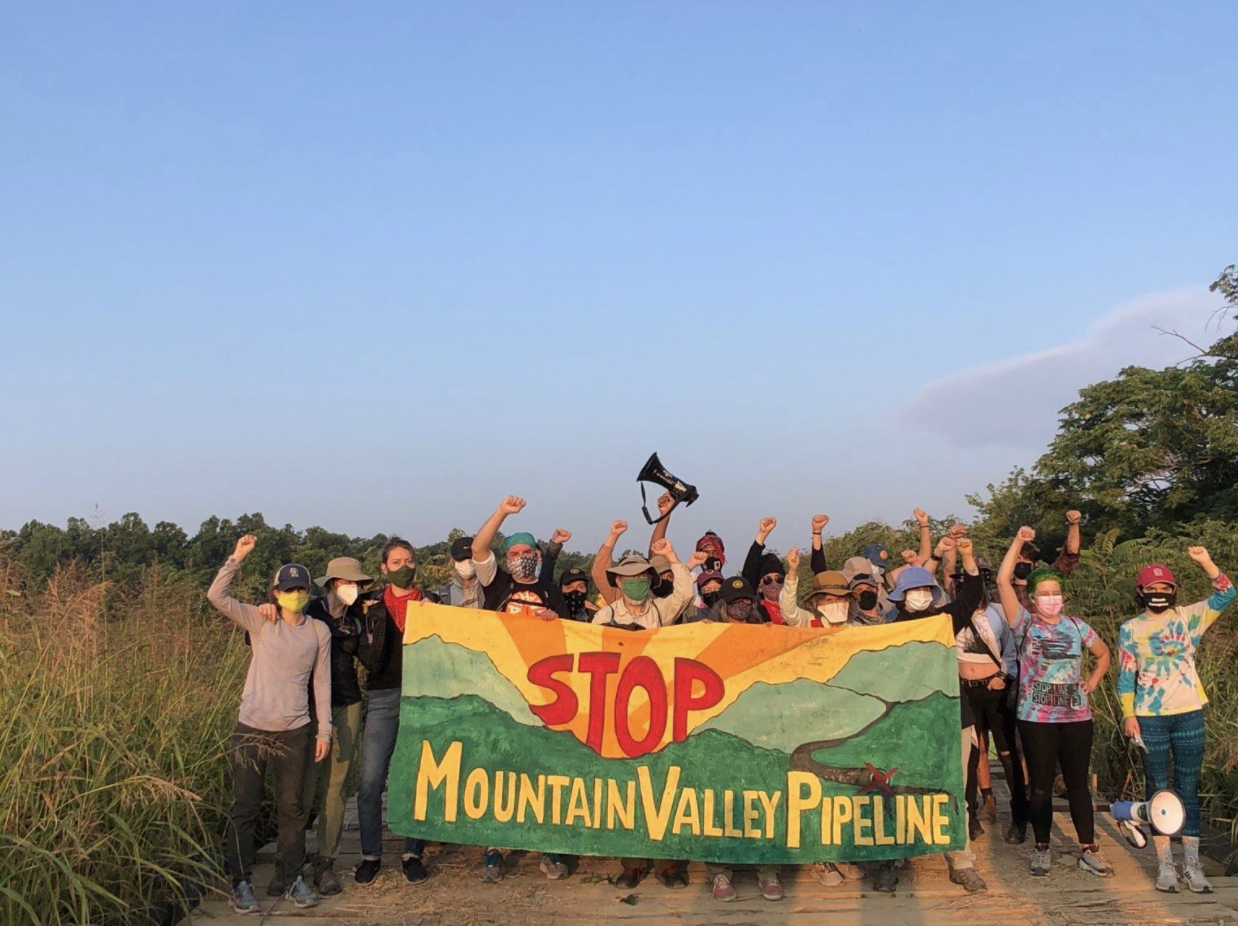
Police Arrest 10 People as Mountain Valley Pipeline Protests Top 932 Days, ca. 2021, 2021

Lynn Eglum is a researcher and blogger for for an environmental non-profit based in Washington DC who’s commentary primarily focuses on climate change, development, and the environment; her work often depicts the landscapes and species disappearing due to climate change. This photo features a handmade banner showing the pipeline cutting through an idyllic Virginian landscape, and represents the landscape these people hope to protect. The protesters hold their arms up in a motion of defiance, the same raised fist that often represents the Black Lives Matter movement. The environmental justice movement is frequently driven by the communities in which injustices are enacted, and this photo is a prime example of the actions and art that are produced by people in response. Label by Molly McCarthy Flood

Segregated Chicago by Environmental Humanities Hub

Sergio Maciel, American, born 2000

Segregated Chicago, 2020

20-year-old Chicago-based artist, Sergio Maciel, created this work of art showing an example of environmental racism in his home-city. The artwork was displayed in two Patagonia storefronts, each location chosen because the setting was a part of a recent example of environmental injustice. His work references the systemic racism that occurs as part of environmental disasters in the city, displayed through the two different worlds the young children are set in. A young African American girl is wearing a gas mask for protection next to a polluted background filled with waste, while the white boy is blowing bubbles in front of an ideal cityscape. The contrast shows the segregation of the city and the racism that continues to occur, as well as how environmental disasters play a role in it. Label by Maeve Marsh

Sergio Maciel has chosen to depict two children experiencing two different sides of Chicago. The child on the left enjoys his bright and clean community while the other child has to wear a gas mask to protect herself from the pollution and poor living conditions of her community. The artwork is meant to bring attention to differing living conditions people are segregated into based on race and class in the city of Chicago. People on both sides however are shown to be protesting against the pollution and dangers it presents to their health. The inequity of the different groups of people are shown as a core issue in the center, but it is framed by protestors from both groups who share a common interest. This artwork appears to serve as a rallying cry for both sides to unite against the environmental threat. Label by Jonathan Yoder

Detroit Industry, North Wall by Environmental Humanities Hub

Diego Rivera, Mexican, 1886–1957

Detroit Industry, North Wall, 1932

Detroit Industry, North Wall illustrates the increasing pace of technology sustained by African-American laborers even amidst the Great Depression. The furnace blasts above the main production line indicate the extreme temperatures workers are facing, and the figures on the upper panels hold the materials fueling the work below. The human hands grabbing stones from the mountain funnel down into the factory as humans use more and more natural resources. Label by Katie Lee

The Land That Time Forgot by Environmental Humanities Hub

Kerry James Marshall, American, born 1955

The Land That Time Forgot, 1962

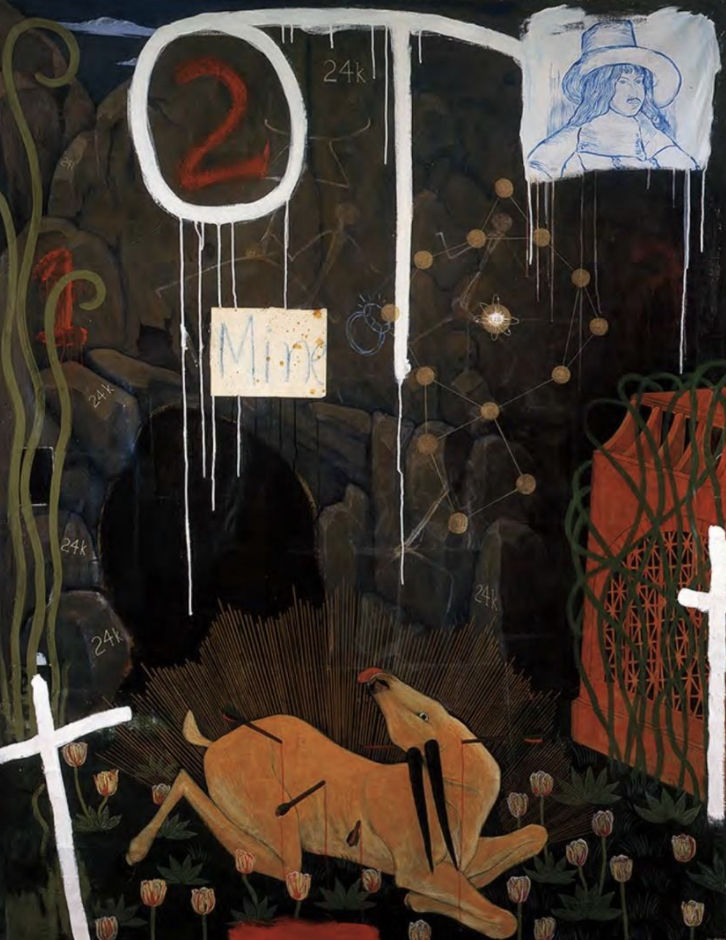
From the works that I have observed thus far, I noticed that the bold use of color and scale are techniques that can invigorate an artwork’s meaning, surfacing strong emotions of intimidation, fear, and pain and making the question of systematic oppression unavoidable. For example, Marshall’s The Land that Time Forgot zeroes in on emphatic themes of imperialism, industry, and ecological devastation. I find that Marshall’s work is able to tug on both ends of the ecological spectrum, as he shows both biological and psychological environmental torment in his painting. A South African springbok (country’s national symbol) in the center is pierced with arrows, and lies dying surrounded by unmistakable emblems of European occupation: Christian crucifixes, the portrait of the Dutch founder of Cape Town, and allusions to the mining ventures that fueled Apartheid (Braddock & Kusserow 371). The emblems seem haphazardly thrown up on the canvas, as if to suggest that it was graffitied by the European oppressors themselves. Label by Tara Vasanth